Introduction
ROI, Today, digital transformation is a top priority for organizations eager to maintain a competitive edge in the marketplace. Digital transformation is now essential to organizations trying to keep pace in a rapidly evolving marketplace. Yet, despite the imperative, many organizations have difficulty determining if their digital investments are actually delivering quantifiable value to the business. With purse strings tightening and executives demanding accountability for each technology project, quantifying the return of digital transformation has become more critical than ever.
“Digital transformation has great potential for efficiency, innovation and long-term growth, but you can only realize those benefits if you know what success looks like and can put a number on it,” said Crandall. Businesses no longer purchase technology just because the product is “modern” or “industry standard”. Instead, they want clear baselines, data-based insights and open frameworks to show meaningful improvement.
In this blog, we explain how organizations can calculate the return on their digital efforts, what metrics matter, and how business modernization is tied directly to sustainable gains. When done systematically, technology value analysis enables business leaders to make better decisions, reduce wasteful spending, and accelerate their transformation journey.
Analysis Tools – IBM
https://www.ibm.com/topics/roi
Why It’s Important to Measure the Return on Investment of Digital Transformation
Historically, companies evaluated investments using simple financial metrics: reduced costs, increased revenues or gains in productivity. Yet digital transformation is not always linked to short-term financial benefits. Often, it delivers long-term capabilities—better customer experience, business agility, enhanced data visibility or future-ready infrastructure—that create value over time.
Without an adequate yardstick, digital programs can become cost centers instead of generating value, Trilling said. So, here’s the bottom line on why measuring the return of digital transformation is important:
1. Aligns Technology with Business Goals
Evaluation helps teams justify and tie technology initiatives to business results. This ensures that transformation investment fuels activities that drive revenue growth, operational efficiency, and customer focus—rather than being a purely technical upgrade.
2. Helps Prioritize High-Impact Initiatives
Organizations often have numerous ideas for digital transformation but limited resources. Measuring value helps determine which projects provide the greatest benefit at the lowest risk.
3. Improves Executive Buy-In
Strong predictions and proven results instill confidence within leadership, enabling easier budgeting and scaling.
4. Reduces Technology Waste
Without quantification, IT expenses can go toward tools that remain unused, processes that duplicate each other, or initiatives that stall.
5. Demonstrates Long-Term Value
Digital transformation is a journey. Tracking progress highlights the incremental gains that build up over months and years.
Why Is Digital Transformation So Different?
Digital transformation isn’t like traditional investments—it impacts systems, customer touchpoints, and culture. Therefore, its returns span multiple dimensions:
Financial: Revenue increases, cost savings, productivity gains
Operational: Workflow efficiency, shorter cycle times, fewer errors
Customer Experience: Higher satisfaction, faster responses, improved retention
Innovation: New business models, quicker launches, greater flexibility
Strategic: Competitive advantage, organizational agility, market leadership
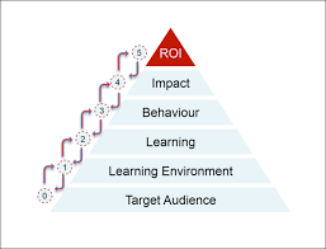
A strong evaluation methodology provides a balanced view across these dimensions.
A Framework for Measuring Digital Transformation
To calculate and make sense of the value delivered, enterprises require a framework that is prescriptive and scalable. Here is an actionable five-step process:
1. Set Clear Business Goals
Define what the transformation should achieve. Common goals include:
- Streamlining operations
- Improving customer engagement
- Increasing employee productivity
- Reducing manual processes
- Enhancing cybersecurity
- Enabling new revenue opportunities
Replace vague goals with measurable outcomes, such as:
- Reduce order processing time by 40%
- Automate 60% of manual workflows
- Improve onboarding speed by 50%
- Increase lead conversion rates by 20%
2. Set Baseline Metrics
Before launching any project, gather baseline data to compare future performance. Track metrics such as:
- Processing time
- Cost per operation
- Customer satisfaction (CSAT)
- Employee output
- Error rates
- Sales conversion
- Compliance issues
3. Define Cost and Value Elements
Evaluation requires understanding both costs and benefits.
Costs include:
Software, hardware, integrations, training, consulting, support, and maintenance.
Value includes:
Cost savings, labor efficiency, higher output, customer lifetime value, reduced downtime, faster time-to-market, and new revenue sources.
4. Use a Technology Analysis Model
Organizations can choose from several models depending on the project:
- Traditional Formula: (Return – Cost) / Cost × 100
- Total Economic Impact (TEI): Considers cost savings, risk, business benefits, and future value
- Payback Period: Time required to break even
- Net Present Value (NPV): Ideal for multi-year value
- Balanced Scorecard: Includes strategic and non-financial metrics
5. Continuously Measure, Track, and Optimize
Digital transformation is ongoing. Use tools such as:
- KPI dashboards
- Customer journey analytics
- Productivity reports
- Employee feedback
- IT performance metrics
- Financial impact assessments
Challenges in Measuring the Return for Organizations
Measuring the impact of digital transformation is essential but difficult. Common challenges include:
- Lack of clear goals
- Incomplete baseline information
- Ignoring intangible benefits
- Fragmented technology systems
- Resistance to change
Addressing these issues early increases success rates.

Top Practices for Enhancing Digital Transformation
Tech-enabled companies follow several best practices:
- Align technology with business value
- Start with quick-win projects
- Use data analytics and dashboards
- Prioritize user adoption
- Encourage continuous improvement
- Partner with a trusted digital transformation advisor
How Bridge Group Solutions Helps Maximize Returns
Bridge Group Solutions ensures your digital initiatives deliver measurable business value:
- Strategy-First Planning – Aligning every action with business goals
- Comprehensive Value Analysis – Using structured, CFO-backed methods
- Modernization Roadmaps – Showing value early and clearly
- Seamless Implementation – Built for speed, adoption, and scalability
- Ongoing Optimization – Supporting growth as your business evolves
With Bridge Group Solutions, companies convert digital spend into meaningful outcomes—faster, smarter, and more confidently.
The Evolving Role of Leadership in Digital Transformation
Modern leadership plays a decisive role in determining whether a digital initiative succeeds or stalls. As organizations advance toward more automated and data-driven ecosystems, leaders must adopt a mindset centered on adaptability, collaboration, and measurable value.
Forward-thinking executives do the following:
- Champion a clear vision that ties every digital effort to business outcomes
- Break down internal silos to ensure data flows freely across the organization
- Encourage experimentation, allowing teams to test and validate new ideas
- Promote transparency, continuously communicating progress and impact
- Empower cross-functional teams to own digital initiatives end to end
Without engaged leadership, digital transformation can lose direction, stall in mid-implementation, or fail to deliver sustainable impact.
How Data Maturity Influences Digital Success
Data maturity is one of the strongest predictors of successful transformation. Organizations with mature data practices achieve more measurable outcomes and adapt faster.
Key stages of data maturity include:
- Data Collection: Basic logging, manual reports, and siloed data sources
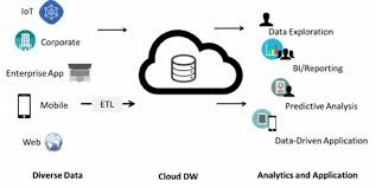
- Data Integration: Unified dashboards, automated data pipelines
- Insight Generation: Predictive analytics, advanced reporting
- Proactive Decision-Making: AI-driven recommendations, real-time actions
- Data-Driven Culture: Every decision informed by facts, not assumptions
The further an organization progresses on this maturity curve, the easier it becomes to quantify value, optimize operations, and justify future investments.
Digital Transformation as a Competitive Strategy
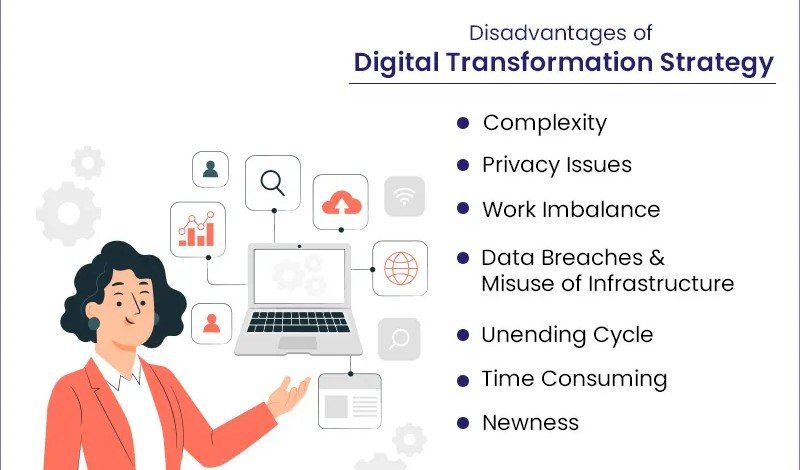
Digital transformation is no longer limited to modernizing internal systems — it has become a strategic weapon. Companies that invest in modernization achieve:
- Shorter time-to-market for products and services
- Higher customer loyalty through personalized and frictionless experiences
- Stronger market positioning, especially in industries with rapid innovation
- Better resilience during disruptions, such as supply chain challenges
- Greater adaptability to emerging technologies like AI, automation, and cloud-native solutions
These advantages compound over time, making it difficult for slower competitors to catch up.
The Human Element: Why People Matter More Than Technology
Digital transformation is often misunderstood as a technology-first initiative. In reality, people are the most critical component. Without employee support and adoption, even the most powerful technologies fail to deliver value.
Key People-Focused Strategies Include:
- Comprehensive training programs
- Clear communication explaining the “why”
- Supportive change management
- User-centric design principles
- Upskilling and reskilling for the digital age
Organizations that prioritize people experience smoother transitions, faster adoption, and greater long-term benefits.
The Role of Cybersecurity in Sustaining Digital Transformation
As companies digitize more operations, they expose themselves to greater cybersecurity risks. Protecting digital assets is essential—not only for compliance but for building trust with customers and partners.
Effective cybersecurity programs include:
- Continuous threat monitoring
- Strong identity and access controls
- Routine vulnerability scanning
- Zero-trust frameworks
- Employee awareness training
- Automated incident response
A secure digital foundation ensures that innovation can continue confidently and without interruption.
Future Technology Trends That Will Influence Digital Investments
Digital transformation is constantly evolving, driven by emerging technologies. Over the next decade, the following trends will shape how organizations generate value:
1. Artificial Intelligence and Automation
AI will dominate operational optimization, predictive analytics, and customer interactions.
2. Cloud-Native Infrastructure
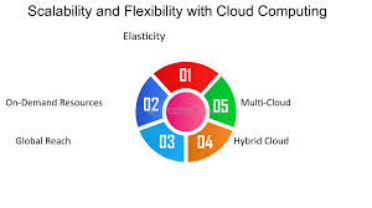
Hybrid and multi-cloud architectures offer flexibility, cost control, and rapid scalability.
3. Industry 4.0 Technologies
IoT, robotics, digital twins, and real-time monitoring will revolutionize manufacturing and logistics.
4. Low-Code and No-Code Platforms
These tools enable faster development and empower business users to create solutions.
5. Edge Computing
Localized processing improves latency, security, and real-time responsiveness.
6. Blockchain and Trust Networks
Decentralized systems enhance transparency, traceability, and data integrity.
Organizations that embrace these technologies strategically will outperform those that rely on legacy systems or short-term improvements.
How to Build a Digital-First Culture
A digital-first culture ensures that modernization is not just a project but a continuous mindset. Companies can create such a culture through:
- Leadership modeling digital behaviors
- Promoting experimentation and learning
- Rewarding innovation and analytical thinking
- Encouraging collaboration across departments
- Democratizing access to tools and data
When digital thinking becomes part of every employee’s workflow, measurable value becomes inevitable.
Industry-Specific Perspectives on Digital Transformation
Each industry has its own drivers and measurable outcomes. Adding these perspectives makes your blog relevant across sectors.
1. Retail
- Personalized shopping
- Real-time inventory
- Digital payments
- Omni-channel experiences
2. Healthcare
- Digital patient records
- Telemedicine
- Predictive diagnostics
- Secure data sharing
3. Finance
- Automated workflows
- Enhanced regulatory compliance
- Real-time risk scoring
- AI-driven customer personalization
4. Manufacturing
- Predictive maintenance
- Robotics and automation
- Smart factories
- Quality analytics
5. Education
- Digital classrooms
- Skills-based learning platforms
- Automation of administrative tasks
- Data-informed teaching
Industry examples help illustrate how digital transformation creates tangible and sustainable results.
Final Add-On Section: Why Measurement Should Never Stop
The organizations that achieve the greatest long-term success treat measurement as a living process. Instead of evaluating after deployment, they continuously track:
- Customer feedback
- Operational efficiency
- Productivity improvements
- Financial impact
- Adoption levels
- New revenue opportunities
- Employee engagement
- System performance
With ongoing measurement, companies avoid stagnation and ensure the initiative evolves along with their market, technology landscape, and customer expectations.
Conclusion
Digital transformation is not a “nice to have”—it’s essential for survival. True returns come from consistent assessment, strong metrics, and a commitment to improvement. When guided by expert advice and data-driven leadership, the outcomes of digital transformation become more than numbers—they become long-term competitive advantage.